
Padel is officially part of the Aichi-Nagoya 2026 Asian Games. Here’s why this milestone could accelerate the sport’s growth across Asia.
For years, padel has been one of the fastest-growing racket sports in the world.
Now, the sport is taking another major step forward.
At the Aichi-Nagoya 2026 Asian Games, padel will make its debut as an official medal sport, placing it alongside some of Asia’s most established sporting disciplines. The Games will take place in Japan from 19 September to 4 October 2026, bringing athletes from across the continent together for one of the region’s biggest sporting events.
For padel, this is more than another tournament.
It is a signal that the sport has entered a new phase of development in Asia.
From Emerging Sport to Asian Games Competition
The inclusion of padel in the Asian Games follows the International Padel Federation’s recognition by the Olympic Council of Asia and the subsequent confirmation of padel in the Aichi-Nagoya 2026 sports programme.
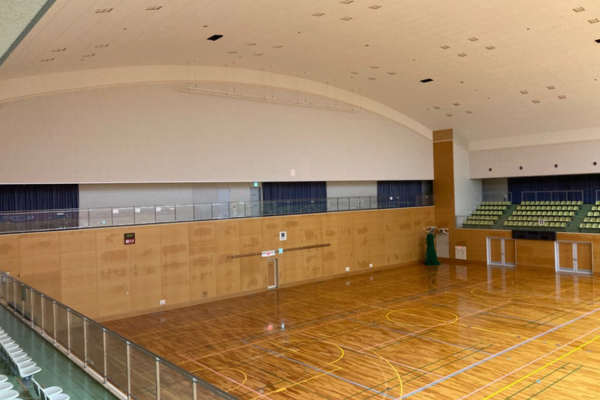
The official Aichi-Nagoya 2026 website now lists 43 sports for the Games, including padel. The sport will be played at the Nagoya City Higashi Sports Center.
This matters because the Asian Games provide something that emerging sports need most:
visibility.
Thousands of athletes will compete across the Games, while millions more across Asia will follow the competition through media, social platforms, and national sports coverage.
For players, it creates a new pathway toward representing their countries.
For federations, it creates an opportunity to develop national programmes.
And for the industry, it creates a much larger audience for the sport.
Why This Is Significant for Padel in Asia
Padel’s growth in Asia has already been accelerating.
Countries including Indonesia, Thailand, Japan, Malaysia, Singapore, the Philippines, and China have seen increasing activity around clubs, tournaments, academies, and new court infrastructure.
Olympia Courts has seen this development firsthand through projects across the region, from multi-court clubs to resorts, schools, professional facilities, and temporary sporting activations.
The Asian Games can accelerate that development further.
When a sport becomes part of a major continental competition, its ecosystem begins to expand around it.
More athletes want places to train.
More coaches are required.
More tournaments emerge.
More national federations become active.
And more facilities are needed to support the growing player base.
That means the demand for high-quality padel infrastructure is likely to become increasingly important.

The Next Generation of Asian Padel Players
Perhaps the most important impact will be on the athletes themselves.
Padel has traditionally grown through clubs and communities. Players discover the sport socially, join local clubs, participate in amateur competitions, and gradually progress toward higher-level play.
The Asian Games add another level to that pathway.
Young players can now see a clearer competitive future:
Local club → National competition → International competition → Asian Games
That pathway can help transform padel from a lifestyle sport into a structured competitive discipline.
And as the level of competition increases, so does the importance of the facilities where athletes train and compete.

Infrastructure Will Matter More Than Ever
Growing a sport is not simply about attracting players.
You need the infrastructure to support them.
A professional padel environment requires much more than four walls and a net.
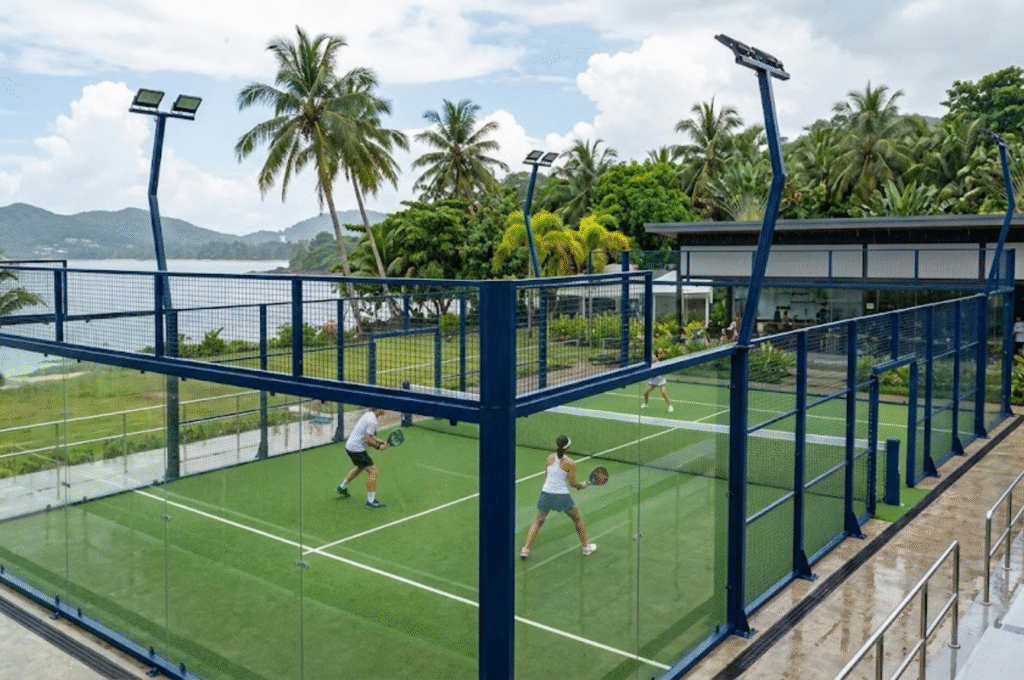
Court structure, glass, turf, lighting, drainage, safety systems, installation quality, and long-term durability all influence the playing experience.
This becomes particularly important in Asia.
Many markets across the region face challenging environmental conditions, including high humidity, heavy rainfall, intense UV exposure, and coastal environments.
A court designed for a European climate cannot simply be installed anywhere in Asia and expected to perform the same way.
This is why court engineering matters.
At Olympia Courts, our approach combines European padel expertise with engineering and manufacturing designed around the realities of the Asia-Pacific market. Our courts are built with performance, durability, safety, and long-term operation in mind.
The Opportunity for Clubs and Investors
The Asian Games could also change how investors view padel.
For investors and developers, the question is no longer simply:
“Will people play padel?”
The more important question becomes:
“How large can the padel ecosystem become?”
As competitive participation grows, opportunities extend beyond court construction.
There is potential across:
- Padel clubs
- Training academies
- Professional teams
- Tournaments
- Sports resorts
- Hospitality
- Sponsorship
- Events and activations
- Sports technology
- Real estate developments
Olympia Courts has previously highlighted how padel is increasingly becoming more than a sports facility it can become a social, lifestyle, hospitality, and commercial destination.
The Asian Games strengthen that opportunity by giving the sport a larger competitive platform.

What This Means for the Future
Padel’s inclusion in Aichi-Nagoya 2026 does not mean the sport has reached its final destination.
It means the next chapter is beginning.
As more Asian countries develop their player bases, competitions, academies, and facilities, the standard of padel infrastructure will also need to rise.
The clubs that succeed long term will not simply be the ones that install courts first.
They will be the ones that build the right environment for players to return, improve, compete, and build a community.
That requires thoughtful planning, reliable engineering, and infrastructure designed for the market it operates in.
A New Chapter for Padel in Asia
The Aichi-Nagoya 2026 Asian Games represent an important milestone for padel.
For athletes, it creates a new competitive stage.
For federations, it creates a platform for development.
For clubs, it creates new opportunities to grow the sport.
And for investors and developers, it provides another reason to take Asia’s padel market seriously.
The sport is no longer simply emerging.
It is becoming part of Asia’s competitive sporting landscape.
And as padel moves onto one of the continent’s biggest sporting stages, the infrastructure behind the game will become just as important as the athletes playing it.
At Olympia Courts, we are proud to be part of that growth—building premium padel courts engineered for Asia.
Spanish engineering. Asian efficiency.